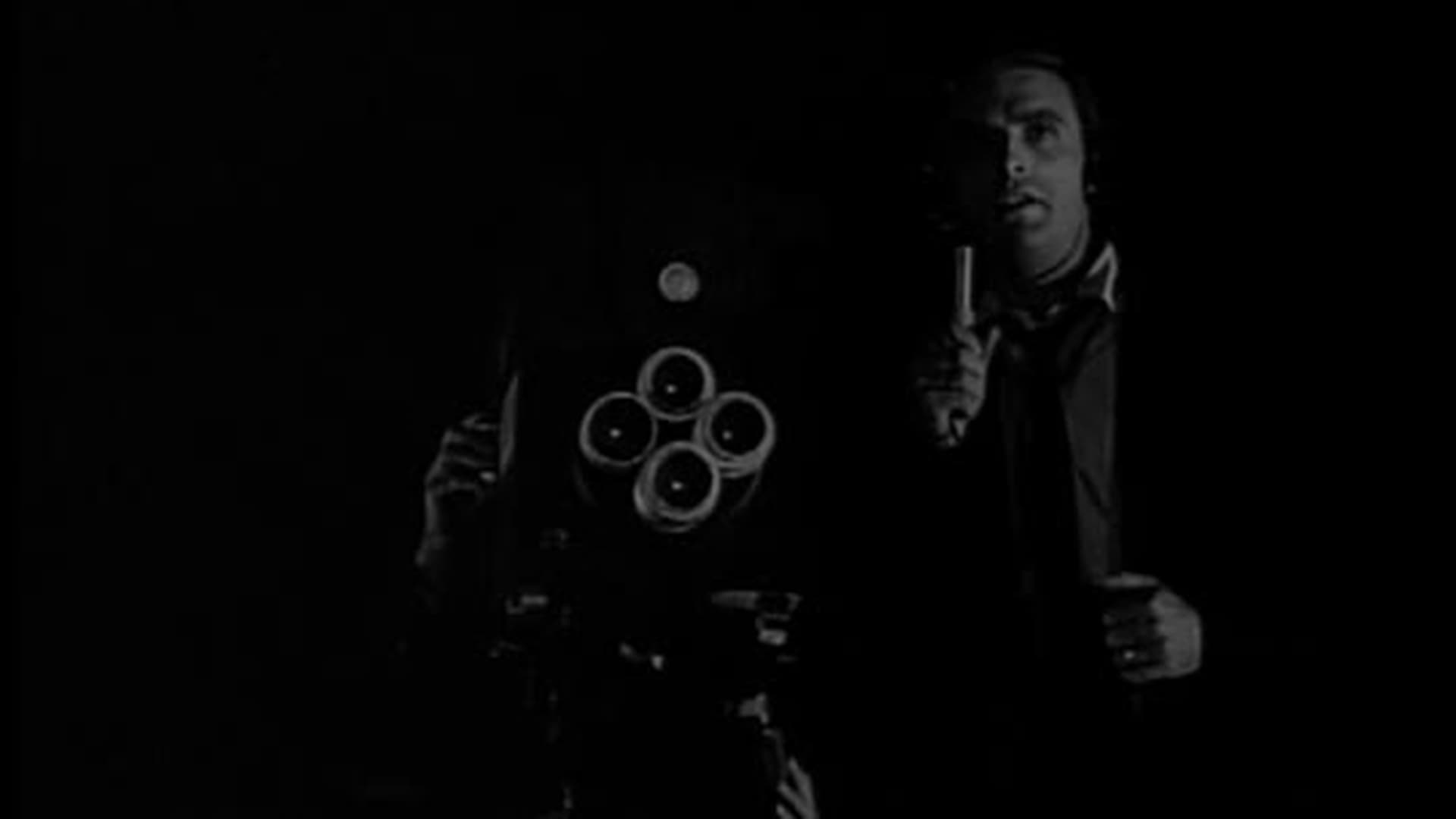
It is a bizarre, chilling reality that a man can be convicted of a brutal murder, write his way into the hearts of the literary elite while behind bars, and then get released only to start killing again on two different continents. That was Jack Unterweger. Most people know him as the Cry Baby Killer, a nickname earned because of his penchant for weeping during his initial arrests and trials, playing the role of the sensitive, misunderstood soul. He wasn't misunderstood. He was a predator.
Unterweger’s story isn't just a "true crime" trope. It’s a massive, systemic failure of the intellectual class in 1980s Austria. You've probably heard of the "reformed prisoner" narrative, but Jack took it to a level that feels scripted for a movie. Except the bodies were real. The victims were real women, mostly sex workers, who were strangled with their own undergarments using a very specific, complex knot.
How Jack Unterweger Fooled the World
The thing about Jack is that he was incredibly charismatic. Small, dapper, and always dressed in expensive white suits once he found fame, he didn't look like the monster the police were hunting. He was born in 1950 to a waitress and an American soldier he never knew. His childhood was a mess of poverty and violence. By the time he was in his twenties, he had already murdered Margaret Schäfer in 1974. He strangled her with her own bra.
He went to prison. That should have been the end of it.
But while in the Austrian prison system, Unterweger started writing. He wrote poems, plays, and an autobiography titled Fegefeuer oder die Reise ins Zuchthaus (Purgatory or the Trip to Prison). It became a literary sensation. Austrian intellectuals, including Nobel Prize winner Elfriede Jelinek, campaigned for his release. They saw him as the ultimate example of rehabilitation. They called him a "reformed man." Honestly, it’s embarrassing to look back at the petitions now. They basically argued that a man who could write such beautiful prose couldn't possibly remain a killer.
They were dead wrong.
The LA Connection and the Return to Killing
In 1990, Jack Unterweger was released. He was a celebrity. He worked as a journalist, even reporting on the very murders he was committing. Imagine that for a second. The Cry Baby Killer was literally visiting police stations to interview investigators about the "mysterious" deaths of sex workers in the Vienna woods while he was the one dropping the bodies.
The story gets even weirder when he traveled to Los Angeles in 1991. He was there on an assignment for a magazine to write about the differences between US and European attitudes toward prostitution. While staying at the Cecil Hotel—a place already infamous for its dark history—he killed three more women: Shannon Exley, Irene Rodriguez, and Sherry Long.
The LAPD was baffled. The knots used to strangle these women were intricate. They were the same signature "overhand" knots used in the Austrian murders.
- He used their own brassieres.
- He tied them in a way that was almost like a signature.
- He left them in positions that were clearly intended to shock.
The FBI eventually got involved. A young profiler named Gregg McCrary noticed the similarities between the California cases and the reports coming out of Graz, Austria. It wasn't just a coincidence. It was a pattern.
The Trial and the Coward's Way Out
By the time the law caught up with him, Unterweger had fled. He led police on a chase through Europe and across the Atlantic to Miami. He was finally arrested in 1992. Even then, he tried to play the victim. He used that old Cry Baby Killer persona, claiming he was being framed by a police force that couldn't handle his fame or his "reformation."
The evidence, however, was overwhelming. DNA technology was in its infancy, but it was enough. A single strand of hair found in his car matched one of the victims. The forensic evidence regarding the knots—those specific, complex ties—linked him directly to the crimes in both countries.
In June 1994, an Austrian jury found him guilty of nine murders.
He was sentenced to life in prison without the possibility of parole. But Jack wasn't going to sit in a cell for the rest of his life. That same night, he used the drawstring from his prison jumpsuit to hang himself. The knot he used? It was the exact same knot he had used on his victims.
Why We Still Talk About Him
There are plenty of serial killers in history, but Unterweger remains a focal point for criminologists because he represents the "perfect" psychopath. He didn't just hide in the shadows; he hid in plain sight, under the protection of the social elite. He used his intellect as a weapon.
Most people get his motives wrong. They think it was just about sex or violence. Experts like John Douglas have pointed out that for Unterweger, it was about power and the thrill of deception. He loved being the "reformed" man while being a monster. He thrived on the irony of being a journalist investigating his own crimes.
Key Takeaways from the Unterweger Legacy:
- Charisma is a Tool: High-functioning sociopaths often use charm to bypass social filters. The Austrian elite wanted to believe in his redemption so badly that they ignored his history of violence.
- The Signature Matters: In criminal profiling, "signature" behaviors (like the specific knots) are often more telling than the "modus operandi" (MO). The MO can change; the signature rarely does.
- The Systemic Gap: The lack of communication between international police agencies in the early 90s allowed Jack to travel and kill across borders with relative ease.
When you look at the Cry Baby Killer, don't just see a murderer. See a warning. He is a reminder that the ability to create art or speak eloquently has absolutely nothing to do with a person's capacity for empathy or evil.
Practical Steps for Understanding Modern Profiling
If you're researching the Unterweger case for more than just true crime entertainment, it's worth looking into how international policing has changed since the early 90s. The "Interstate Identification Index" and improved Interpol databases were built specifically to stop people like Unterweger from jumping between jurisdictions.
- Study the "Signature vs. MO" distinction: Read Mindhunter by John Douglas for a deeper look at how the FBI identified the patterns Unterweger left behind.
- Analyze the Cecil Hotel records: Look at the timeline of 1991. The fact that he stayed at the same hotel as Richard Ramirez (at different times) is a dark coincidence that highlights how certain environments can facilitate anonymity for predators.
- Examine the Austrian Legal Reforms: After the Unterweger disaster, Austria significantly tightened its parole and psychiatric evaluation processes for violent offenders.
The most important thing to remember is that Unterweger didn't "snap." He was a calculated actor. His life was a performance, and the tragedy is that so many people were willing to be his audience until it was far too late for his victims.
To understand the full scope of this case, look into the specific forensic knot analysis used by the Graz police department. It remains a landmark study in how specialized physical evidence can bridge the gap between circumstantial suspicion and a definitive conviction. Researching the trial transcripts from the 1994 proceedings provides the best insight into how the prosecution dismantled his "reformed writer" persona piece by piece.